Wednesday, 24 February 2010

Monday, 22 February 2010
Filming
Thursday 25th- our first section of filming will take place at the leisure centre at hills road bridge and the car park.

This Weekend- filming Tom's shed.

This Weekend- filming Tom's shed.
Thursday, 11 February 2010
What is genre?
Genre is an easy way to categorize films and how the style differs from each.
The main type of genres used today are as follows.
- Action Films -
Action films usually include high energy, big-budget physical stunts and chases, possibly with rescues, battles, fights, escapes, destructive crises (floods, explosions, natural disasters, fires, etc.), non-stop motion, spectacular rhythm and pacing, and adventurous, often two-dimensional 'good-guy' heroes (or recently, heroines) battling 'bad guys' - all designed for pure audience escapism. Includes the James Bond 'fantasy' spy/espionage series and martial arts films.
- Adventure Films -
Adventure films are usually exciting stories, with new experiences or exotic locales, very similar to or often paired with the action film genre. They can include traditional swashbucklers, serialized films, and historical spectacles, searches or expeditions for lost continents, "jungle" and "desert" epics, treasure hunts, disaster films, or searches for the unknown. Adventure Films are usually longer than the other genres.
- Comedy Films -
Comedies are light-hearted plots consistently and deliberately designed to amuse and provoke laughter (with one-liners, jokes, etc.) by exaggerating the situation, the language, action, relationships and characters. This section describes various forms of comedy through cinematic history, including slapstick, screwball, spoofs and parodies, romantic comedies, black comedy (dark satirical comedy), and more.
- Crime & Gangster Films -
Crime (gangster) films are developed around the sinister actions of criminals or mobsters, particularly bankrobbers, underworld figures, or ruthless hoodlums who operate outside the law, stealing and murdering their way through life. Criminal and gangster films are often categorized as film noir or detective-mystery films - because of underlying similarities between these cinematic forms. This category includes a description of various 'serial killer' films.
- Drama Films -
Dramas are serious, plot-driven presentations, portraying realistic characters, settings, life situations, and stories involving intense character development and interaction. Usually, they are not focused on special-effects, comedy, or action, Dramatic films are probably the largest film genre, with many subsets. See also the melodramas, epics (historical dramas), or romantic genres.
- Epics/Historical Films -
Epics include costume dramas, historical dramas, war films, medieval romps, or 'period pictures' that often cover a large expanse of time set against a vast, panoramic backdrop. Epics often share elements of the elaborate adventure films genre. Epics take an historical or imagined event, mythic, legendary, or heroic figure, and add an extravagant setting and lavish costumes, accompanied by grandeur and spectacle, dramatic scope, high production values, and a sweeping musical score. Epics are often a more spectacular, lavish version of a biopic film. Some 'sword and sandal' films (Biblical epics or films occuring during antiquity) qualify as a sub-genre.
- Horror Films -
Horror films are designed to frighten and to invoke our hidden worst fears, often in a terrifying, shocking finale, while captivating and entertaining us at the same time in a cathartic experience. Horror films feature a wide range of styles, from the earliest silent Nosferatu classic, to today's CGI monsters and deranged humans. They are often combined with science fiction when the menace or monster is related to a corruption of technology, or when Earth is threatened by aliens. The fantasy and supernatural film genres are not usually synonymous with the horror genre. There are many sub-genres of horror: slasher, teen terror, serial killers, satanic, Dracula, Frankenstein, etc.
- Musicals/Dance Films -
Musical/dance films are cinematic forms that emphasize full-scale scores or song and dance routines in a significant way (usually with a musical or dance performance integrated as part of the film narrative), or they are films that are centered on combinations of music, dance, song or choreography. Major subgenres include the musical comedy or the concert film.
- Science Fiction Films -
Sci-fi films are often quasi-scientific, visionary and imaginative - complete with heroes, aliens, distant planets, impossible quests, improbable settings, fantastic places, great dark and shadowy villains, futuristic technology, unknown and unknowable forces, and extraordinary monsters ('things or creatures from space'), either created by mad scientists or by nuclear havoc. They are sometimes an offshoot of fantasy films, or they share some similarities with action/adventure films.
- War(Anti-War)Films -
War films acknowledge the horror and heartbreak of war, letting the actual combat fighting (against nations or humankind) on land, sea, or in the air provide the primary plot or background for the action of the film. War films are often paired with other genres, such as action, adventure, drama, romance, comedy (black), suspense, and even epics and westerns, and they often take a denunciatory approach toward warfare. They may include POW tales, stories of military operations, and training.
- Westerns -
Westerns are the major defining genre of the American film industry - a eulogy to the early days of the expansive American frontier. They are one of the oldest, most enduring genres with very recognizable plots, elements, and characters (six-guns, horses, dusty towns and trails, cowboys, Indians, etc.). Over time, westerns have been re-defined, re-invented and expanded, dismissed, re-discovered, and spoofed.
Why are genres useful?
* The existence of genre, makes it easy to target your audience
* Based on previous box office ratings - can make judgements about who the audience is.
Advertisements; Trailers and Posters;
* Iconography (visual)
* Title
* Clues to narrative and character etc.
Benefits to audience can include;
* Influence one's decision to see a film
* Audience expectations
* Familiar/Recognizable
* Pushing boundaries
* Hybrid
* People are looking out for new features in films
* Technology improvements
* Opinions - ideology
* CGI - computer generated images
* Fashions/Trends
* Reflect current times
* Lots of Variation
Genre is an easy way to categorize films and how the style differs from each.
The main type of genres used today are as follows.
- Action Films -
Action films usually include high energy, big-budget physical stunts and chases, possibly with rescues, battles, fights, escapes, destructive crises (floods, explosions, natural disasters, fires, etc.), non-stop motion, spectacular rhythm and pacing, and adventurous, often two-dimensional 'good-guy' heroes (or recently, heroines) battling 'bad guys' - all designed for pure audience escapism. Includes the James Bond 'fantasy' spy/espionage series and martial arts films.
- Adventure Films -
Adventure films are usually exciting stories, with new experiences or exotic locales, very similar to or often paired with the action film genre. They can include traditional swashbucklers, serialized films, and historical spectacles, searches or expeditions for lost continents, "jungle" and "desert" epics, treasure hunts, disaster films, or searches for the unknown. Adventure Films are usually longer than the other genres.
- Comedy Films -
Comedies are light-hearted plots consistently and deliberately designed to amuse and provoke laughter (with one-liners, jokes, etc.) by exaggerating the situation, the language, action, relationships and characters. This section describes various forms of comedy through cinematic history, including slapstick, screwball, spoofs and parodies, romantic comedies, black comedy (dark satirical comedy), and more.
- Crime & Gangster Films -
Crime (gangster) films are developed around the sinister actions of criminals or mobsters, particularly bankrobbers, underworld figures, or ruthless hoodlums who operate outside the law, stealing and murdering their way through life. Criminal and gangster films are often categorized as film noir or detective-mystery films - because of underlying similarities between these cinematic forms. This category includes a description of various 'serial killer' films.
- Drama Films -
Dramas are serious, plot-driven presentations, portraying realistic characters, settings, life situations, and stories involving intense character development and interaction. Usually, they are not focused on special-effects, comedy, or action, Dramatic films are probably the largest film genre, with many subsets. See also the melodramas, epics (historical dramas), or romantic genres.
- Epics/Historical Films -
Epics include costume dramas, historical dramas, war films, medieval romps, or 'period pictures' that often cover a large expanse of time set against a vast, panoramic backdrop. Epics often share elements of the elaborate adventure films genre. Epics take an historical or imagined event, mythic, legendary, or heroic figure, and add an extravagant setting and lavish costumes, accompanied by grandeur and spectacle, dramatic scope, high production values, and a sweeping musical score. Epics are often a more spectacular, lavish version of a biopic film. Some 'sword and sandal' films (Biblical epics or films occuring during antiquity) qualify as a sub-genre.
- Horror Films -
Horror films are designed to frighten and to invoke our hidden worst fears, often in a terrifying, shocking finale, while captivating and entertaining us at the same time in a cathartic experience. Horror films feature a wide range of styles, from the earliest silent Nosferatu classic, to today's CGI monsters and deranged humans. They are often combined with science fiction when the menace or monster is related to a corruption of technology, or when Earth is threatened by aliens. The fantasy and supernatural film genres are not usually synonymous with the horror genre. There are many sub-genres of horror: slasher, teen terror, serial killers, satanic, Dracula, Frankenstein, etc.
- Musicals/Dance Films -
Musical/dance films are cinematic forms that emphasize full-scale scores or song and dance routines in a significant way (usually with a musical or dance performance integrated as part of the film narrative), or they are films that are centered on combinations of music, dance, song or choreography. Major subgenres include the musical comedy or the concert film.
- Science Fiction Films -
Sci-fi films are often quasi-scientific, visionary and imaginative - complete with heroes, aliens, distant planets, impossible quests, improbable settings, fantastic places, great dark and shadowy villains, futuristic technology, unknown and unknowable forces, and extraordinary monsters ('things or creatures from space'), either created by mad scientists or by nuclear havoc. They are sometimes an offshoot of fantasy films, or they share some similarities with action/adventure films.
- War(Anti-War)Films -
War films acknowledge the horror and heartbreak of war, letting the actual combat fighting (against nations or humankind) on land, sea, or in the air provide the primary plot or background for the action of the film. War films are often paired with other genres, such as action, adventure, drama, romance, comedy (black), suspense, and even epics and westerns, and they often take a denunciatory approach toward warfare. They may include POW tales, stories of military operations, and training.
- Westerns -
Westerns are the major defining genre of the American film industry - a eulogy to the early days of the expansive American frontier. They are one of the oldest, most enduring genres with very recognizable plots, elements, and characters (six-guns, horses, dusty towns and trails, cowboys, Indians, etc.). Over time, westerns have been re-defined, re-invented and expanded, dismissed, re-discovered, and spoofed.
Why are genres useful?
* The existence of genre, makes it easy to target your audience
* Based on previous box office ratings - can make judgements about who the audience is.
Advertisements; Trailers and Posters;
* Iconography (visual)
* Title
* Clues to narrative and character etc.
Benefits to audience can include;
* Influence one's decision to see a film
* Audience expectations
* Familiar/Recognizable
* Pushing boundaries
* Hybrid
* People are looking out for new features in films
* Technology improvements
* Opinions - ideology
* CGI - computer generated images
* Fashions/Trends
* Reflect current times
* Lots of Variation


Wednesday, 10 February 2010
Costume
This page shows the different costumes of the actors in our opening sequence.
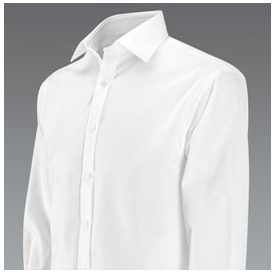
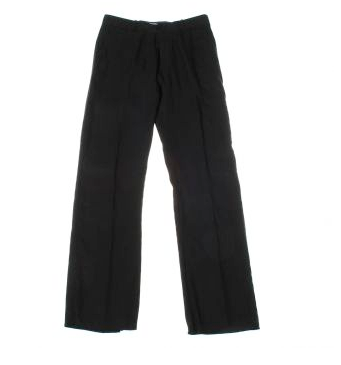
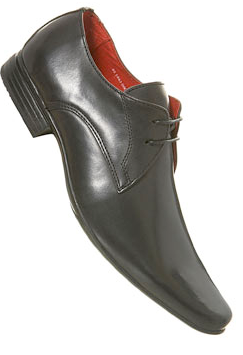
The detective, played by Thomas Edwards will be wearing a white shirt, with black trousers and black shoes.
The killer, played by Jezz Eden, will be wearing a black jacket/coat with black trousers and black shoes.
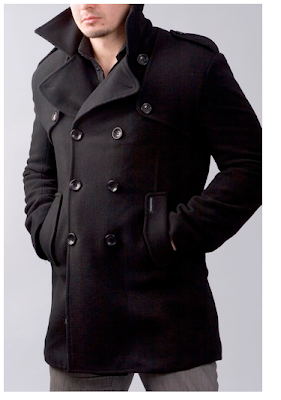
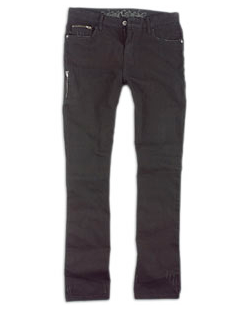
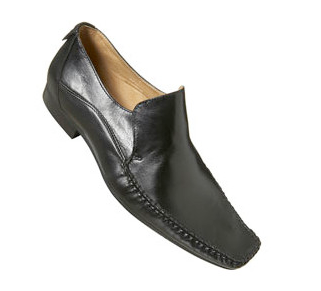
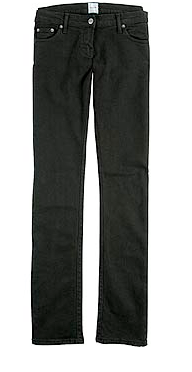
The victim, played by William Hall, will be wearing a black trench coat with black jeans and black shoes.
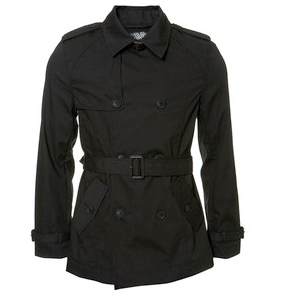
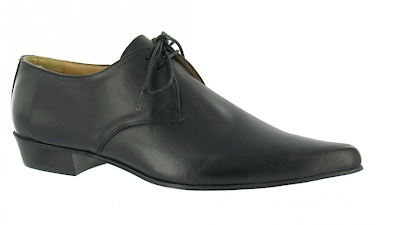
The detective, played by Thomas Edwards will be wearing a white shirt, with black trousers and black shoes.


The killer, played by Jezz Eden, will be wearing a black jacket/coat with black trousers and black shoes.


The victim, played by William Hall, will be wearing a black trench coat with black jeans and black shoes.


Certificate
Most thriller movies have a certificate of 15 years of age and over. Some, however not many are 18 and over and even some 12 certificates.
Our thriller is targeted for an audience of 15 years of age and over.
It is suited for both male and females aged between 15 and 30, due to the fact that they are the most likely audience to watch a thriller film.

The 15 rating is only used for films shown in cinemas. It is given to films that are best suited to those aged 15 or older. We have chosen to have our certificate as a 15 as it is a psychological thriller meaning there will be some violence, explicit language and drug usage.
Our thriller is targeted for an audience of 15 years of age and over.
It is suited for both male and females aged between 15 and 30, due to the fact that they are the most likely audience to watch a thriller film.

The 15 rating is only used for films shown in cinemas. It is given to films that are best suited to those aged 15 or older. We have chosen to have our certificate as a 15 as it is a psychological thriller meaning there will be some violence, explicit language and drug usage.
Monday, 8 February 2010
FILM IDEA
our idea is a crime/psychological thriller.
-for one of the scenes, there will be a detective character in a dark room working on a wall trying to work out several deaths. he is standing up against the wall which is covered in writing and pictures of 'suspects', 'victims' and 'evidence'.
-the next scene is of a young man walking along, and being followed by someone, and in the scenes where you see this character, there is always the other person in the background.
-these scenes both cut from each other, with titles coming out from the wall between the parallel scenes.
-for one of the scenes, there will be a detective character in a dark room working on a wall trying to work out several deaths. he is standing up against the wall which is covered in writing and pictures of 'suspects', 'victims' and 'evidence'.
-the next scene is of a young man walking along, and being followed by someone, and in the scenes where you see this character, there is always the other person in the background.
-these scenes both cut from each other, with titles coming out from the wall between the parallel scenes.
Thursday, 4 February 2010
Practice Garageband

This is our Garageband project that we have started for our opening scene. We were inspired by the opening sequence from Se7en, because we believed that the opening had a very good impact on the movie as a whole, with a very dramatic choice of sounds used. We decided it would be best to take this on board and also produce a dramatic piece of music. We used electronic, atmospheric sounds to create a dramatic and erie feel within the music.


\

this is the first scene that shows a close up shot of the table with a tie thrown over it, a glass of whiskey and a cigarette in an ash tray.

the next shot is a medium shot of the detective character staring up at a wall covered in pictures and writing.

this is a close up and a reveal shot of the victim walking round a corner, with the murderer up on a bridge in the background.

in then goes back to the detective in the room writing more on the wall, and the titles come out from the wall.

this is another medium shot showing the victim walk into travelodge once again showing the murderer in the background.

this is a high angle shot looking down at the detective writing on the wall

the high angle shot then cuts to an extreme close up of more titles emerging from the wall.

this is a medium shot seeing the victim walking up from the stairs

it then goes back to more titles emerging from the wall from a close up shot.

we then see a point of view (POV) shot from the victim seeing the murderer also walking up the stairs behind him.

its then a point of view from the murdere watching the victim lower and fall to his knees.

it then cuts to a low angle shot of random person outside played by Rebecca hearing a loud bang and looking around at travelodge.

the last shot is a long shot showing more titles and then the detective circling specific pictures and information on the wall.
Wednesday, 3 February 2010
TITLES

these are the titles which we then will write up onto the wall in which is in the scene.

for the titles we are using just a handwritten font.
and will be revealed on the wall in which is being written on by the detective character.
Monday, 1 February 2010
Mood Board

The mood board consists of pictures that we feel influenced by. The pictures tie in with the characters personalities, mainly the detective's, of whom is obsessed with the murder case.
Thursday, 28 January 2010
FILM
Titles:
our idea for the titles is that from the scenes in which you see the man writing information on the wall, we will make the titles come out from certain parts mixed into what else is written.
Mise en Scene:
props- pictures and writing on the wall, and the walls themselves. the table with drinks and pens on. the weapon of some sort which in the end results to death for one character.
location- cambridge travelodge and the surrounding area, a shed where it will be made to look like a small room for the person to be writing.
costume- tom will be wearing scruffy trousers and an untucked messy shirt, will be dressed in a trench coat, trousers and shoes. and jezz will be wearing a hoody and jeans.
lighting-in the small room, the only lighting will be a small light in the roof, winging back and forth. and for the travelodge scene, there'll be a flickering light and evening darkness outside.
special effects- possibility of blood being spattered up the window from will's death.
Cinematography:
our idea for the titles is that from the scenes in which you see the man writing information on the wall, we will make the titles come out from certain parts mixed into what else is written.
Mise en Scene:
props- pictures and writing on the wall, and the walls themselves. the table with drinks and pens on. the weapon of some sort which in the end results to death for one character.
location- cambridge travelodge and the surrounding area, a shed where it will be made to look like a small room for the person to be writing.
costume- tom will be wearing scruffy trousers and an untucked messy shirt, will be dressed in a trench coat, trousers and shoes. and jezz will be wearing a hoody and jeans.
lighting-in the small room, the only lighting will be a small light in the roof, winging back and forth. and for the travelodge scene, there'll be a flickering light and evening darkness outside.
special effects- possibility of blood being spattered up the window from will's death.
Cinematography:
Wednesday, 27 January 2010
Influences and Analysis
Se7en
David Fincher's Se7en is one of our influences for our opening sequence as it uses lighting and images to create the same tension we too want to create. It is important to do this as the tension one; gives the sense that we need, to acknowledge the fact our film is a thriller. Two; to draw the audience in.
Poster

The poster of Se7en shows the lighting and distorted colour that is used throughout the film and we want to incorporate into ours. The lighting highlights both their faces, and so highlighting their role as detectives fighting again the evil. The scratched out effect on the poster makes it appear cynical and brutal.
Video
The Opening scene of Se7en is all together very cynical. It takes simple, everyday objects and makes them look threatening. For example the sellotape dispenser looks dangerous and unerving
David Fincher's Se7en is one of our influences for our opening sequence as it uses lighting and images to create the same tension we too want to create. It is important to do this as the tension one; gives the sense that we need, to acknowledge the fact our film is a thriller. Two; to draw the audience in.
Poster

The poster of Se7en shows the lighting and distorted colour that is used throughout the film and we want to incorporate into ours. The lighting highlights both their faces, and so highlighting their role as detectives fighting again the evil. The scratched out effect on the poster makes it appear cynical and brutal.
Video
The Opening scene of Se7en is all together very cynical. It takes simple, everyday objects and makes them look threatening. For example the sellotape dispenser looks dangerous and unerving
Monday, 25 January 2010

Thursday, 21 January 2010
Production Logo


this is the bus that we used for the base of our logo (seen above on Photoshoot). We took it when planning for our previous project. We filled in the section in with orange and blue in the certain sections on Photoshop, to create a cartoon like bus. we made this on photoshop.
the idea for our production logo was a bus seen at a couple of our groups old school with 'Dick Bennett's Revenge written on the side. Dick Bennett's Revenge is also the name of our production company. Tom has effectively made the image of the bus and animated it so that it works effectively to show that it is our genuine film clip on Final Cut Express.


Here is where we added the picture of the bus to final cut to make our indent. Tom has made it so that it comes from the left side of the screen that gradually movies into the middle whilst slowly getting bigger at the same time. This was to show an effect of it actually moving. Once the image enters the center of the screen, it stops and slowly fades to add effect.
Preliminary Task 1 & 2 Evaluation
T2-58 PRELIMINARY TASK - 2010 from SATMEDIASTUDIES on Vimeo.
We have now finished our preliminary task and we are satisfied with the overall outcome.
We feel we have improved on our primary prelim task because we have worked more efficiently and produced a better piece of film with all the cinematography needed. We had trouble with the reaction shot because we recorded it twice and they didn't fit together properly. To resolve this problem, we had to take sound from another shot and place it over the shot after the reaction shot.
T2-58 PRELIMINARY TASK - YR12_2009 from SATMEDIASTUDIES on Vimeo.
Thriller Music Practice- Murder By Numbers
20th January 2010
Today we created a piece of music of which we thought would fit the opening sequence to Murder By Numbers. To do this we used Garage Band. While doing this we also wrote down names of pieces we thought would perhaps sound good in our own opening sequence. Doing this will insure that we have an idea of the type of music we will want, and in site as to how to create our desired music.
Today we created a piece of music of which we thought would fit the opening sequence to Murder By Numbers. To do this we used Garage Band. While doing this we also wrote down names of pieces we thought would perhaps sound good in our own opening sequence. Doing this will insure that we have an idea of the type of music we will want, and in site as to how to create our desired music.
Monday, 11 January 2010
Vertigo Poster and Opening Scene Analyse
Vertigo-

opening scene-

shows an image of a man and woman. this image seems to be sketched, with the man coloured in black and the woman white. The man could be coloured in black to represent him as a shadow, giving off the sense of danger. The background colour of the poster is red, red is the colour of danger.
Saul Bass created the opening sequence to Vertigo. It consists of spirals, which makes the viewer feel anxious and nervous. They also created the feeling of falling, as if one is falling into the spirals, which ties into the plot of the feeling as the main character is afraid of heights. The music is also unnerving, using dramatic sounds to do so.
camera work
In this opening sequence, there is not so much camera as there is editing. We can, however, see that at the beginning the camera moves from the right hand side of the bottom of her face, moving slowly towards her lips, then zooming in. The camera then moves up to her eyes followed by zooming into her left eye. the camera movement is slow, and stops and starts, creates tension.
editing
The spirograph was created by Saul Bass. This is the only bit of editing within the the opening scene.
sound
The sound is synical with dramatic outburst. Music uses an arpeggio of a scale to create a more dramatized scene. This technique is repeated through out. With all these elements merged to make this music, they create tension and make the viewer feel uneasy.
mise-en-scene
there are no costumes, props ect used in this opening scene
titles
the titles are white, bold and outlined, making them dramaticly stand out again the picture.
convention
Subscribe to:
Posts (Atom)